Everyone is talking about AI agents.
Very few are talking about what actually determines whether an AI deployment succeeds in production.
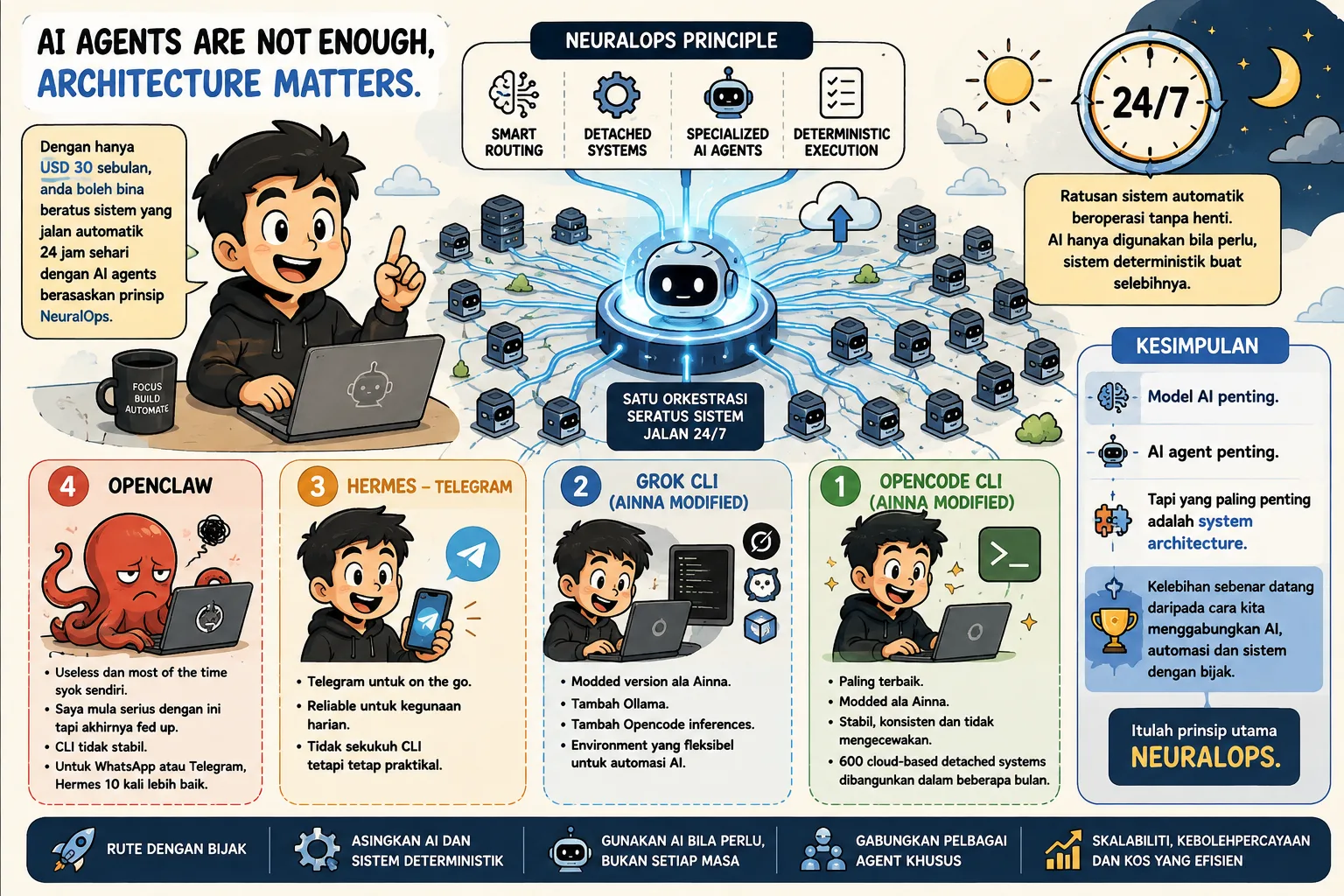
Today, with approximately USD30 per month, almost anyone can subscribe to an LLM and build hundreds of autonomous systems that operate 24 hours a day, 7 days a week. The subscription is no longer the biggest barrier.
The real challenge is choosing the right architecture, orchestration strategy, and AI agent.
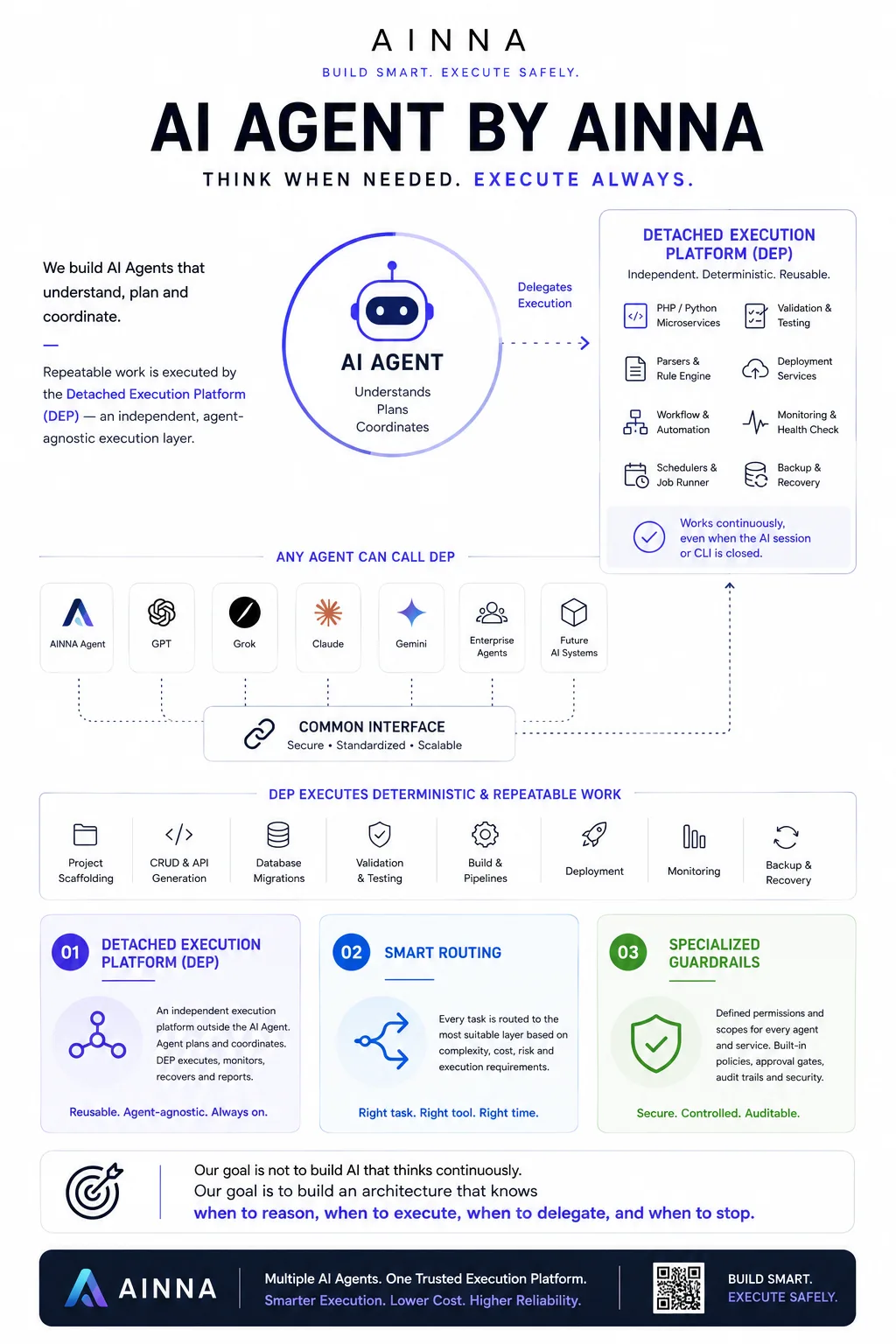
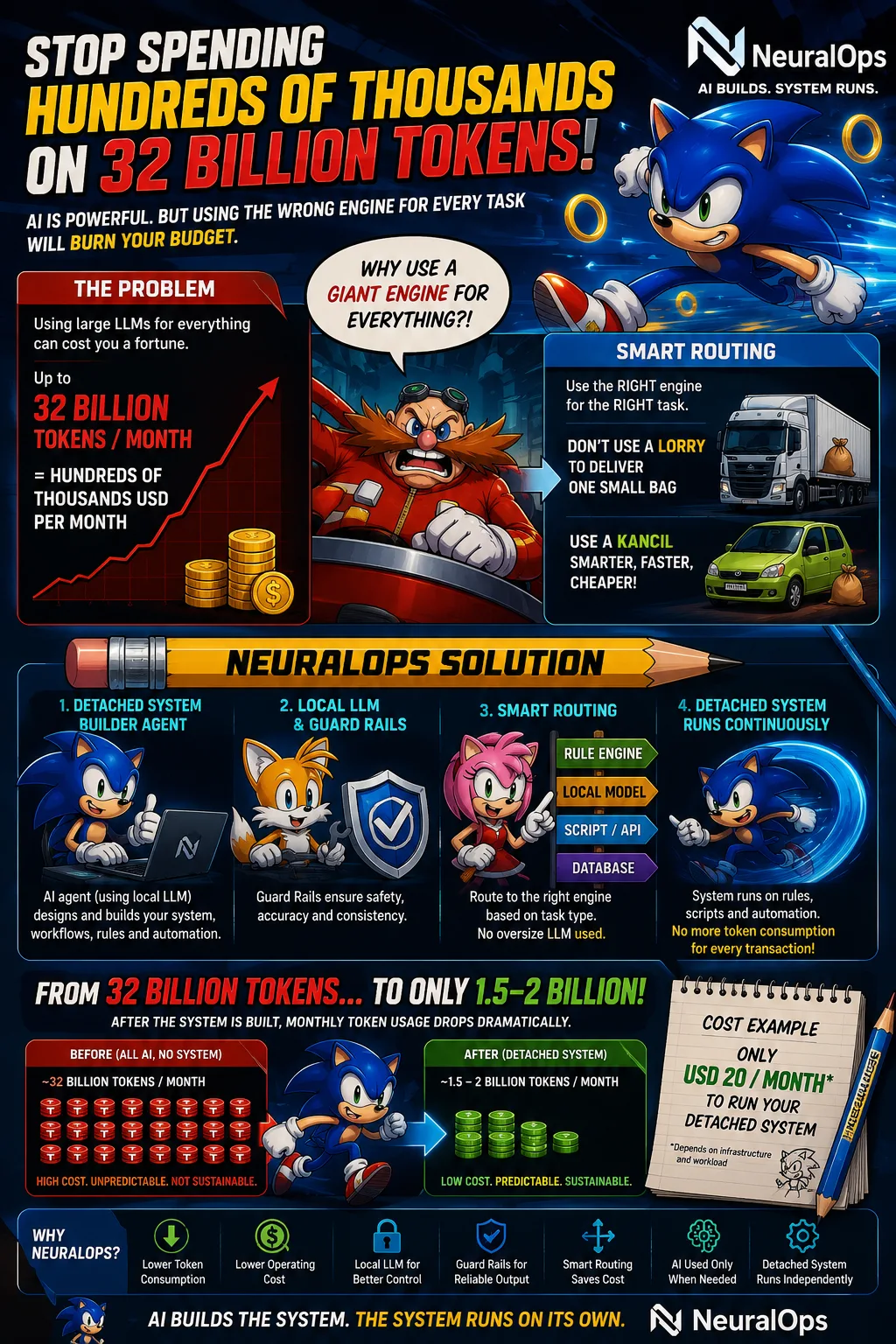
At AINNA, our autonomous systems are built using NeuralOps principles:
- Smart Routing
- Detached Systems
- Specialized AI Agents
- Deterministic execution wherever AI is unnecessary
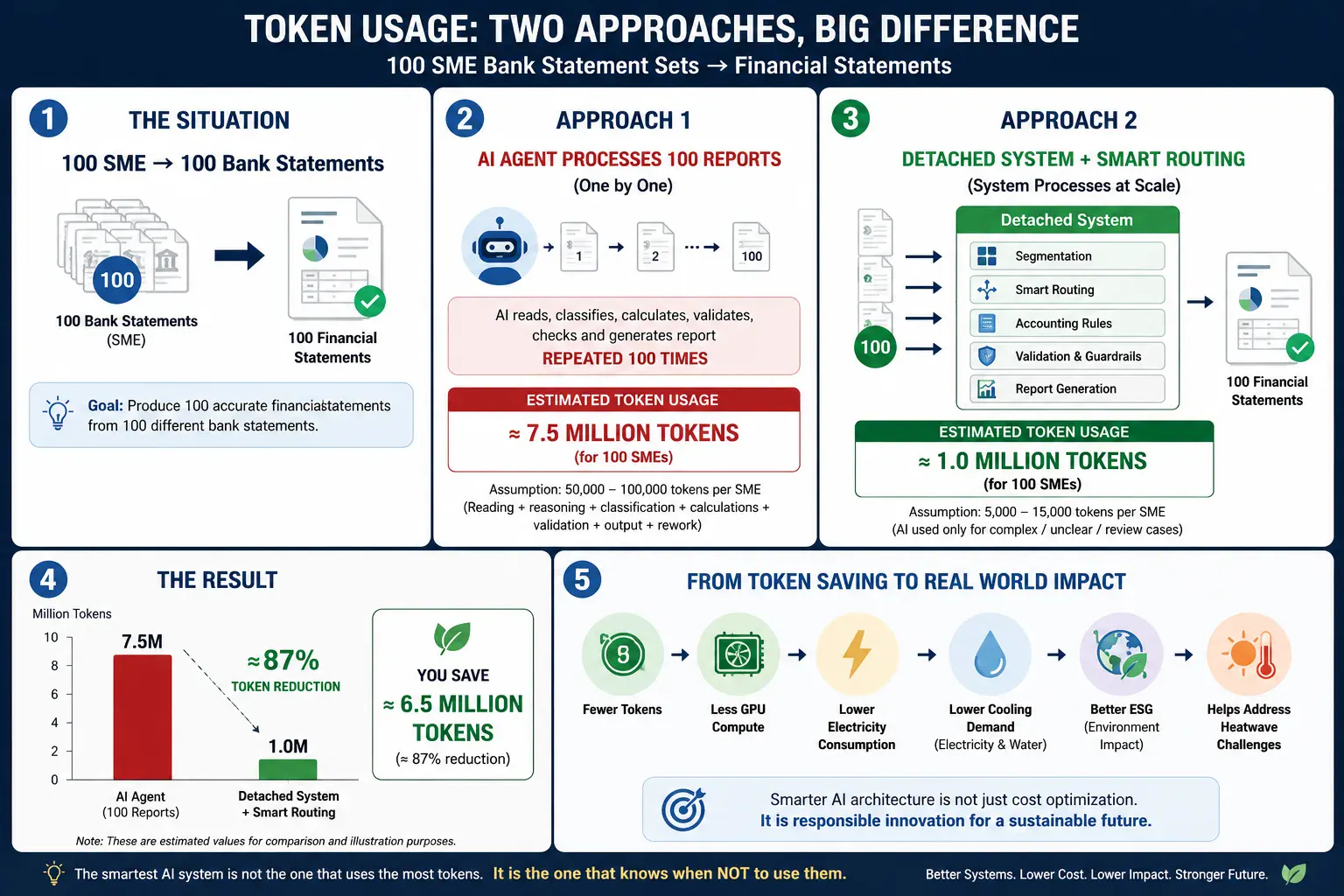
This allows AI to be used only when intelligence is genuinely required, while conventional software handles everything else.
The result is significantly lower operating cost, lower token consumption, improved reliability, and better scalability.
My Personal Experience
Over the past several months, I have tested multiple AI agent ecosystems extensively.
4. OpenClaw
OpenClaw is an impressive open-source project with broad channel integrations and an ambitious vision.
However, in my own production experience, it was the least suitable option.
I invested considerable time building with it because I genuinely believed in its potential.
Eventually, I found myself spending more time managing instability than building products.
For my workloads, it became difficult to rely on as the primary production platform.
That does not mean OpenClaw is a bad project-it simply was not the right fit for how we build production AI systems.
3. Hermes
Hermes became my preferred mobile companion.
When I'm travelling or away from my workstation, Telegram integration makes it extremely practical.
It is not as capable as a full CLI workflow, but for quick approvals, monitoring, and lightweight automation, it performs well.
2. Grok CLI (AINNA Modified)
We heavily customized the CLI environment by integrating:
- Ollama
- OpenCode inference workflows
- Internal orchestration
- Detached execution pipelines
The result is a practical development environment capable of coordinating multiple AI tasks efficiently.
1. OpenCode CLI (AINNA Modified)
This has become the backbone of our engineering workflow.
After extensive customization around the NeuralOps architecture, OpenCode provides the most reliable experience for large-scale AI engineering.
Using this approach, we built approximately 600 cloud-based detached systems in just a few months.
The lesson is simple:
The AI model matters.
The AI agent matters.
But neither is the biggest differentiator.
System architecture determines whether AI becomes an expensive demo or a scalable production platform.
The Future of AI
The next generation of AI will not be defined by who has the biggest model.
It will be defined by who builds the best orchestration.
Winning organizations will:
- Route intelligently.
- Separate deterministic logic from AI reasoning.
- Activate large models only when necessary.
- Combine multiple specialised agents instead of depending on one general-purpose assistant.
- Treat AI as infrastructure-not merely as a chatbot.
In the coming years, competitive advantage will belong not to companies that consume the most AI, but to those that use AI with the greatest efficiency.
That is the philosophy behind NeuralOps.