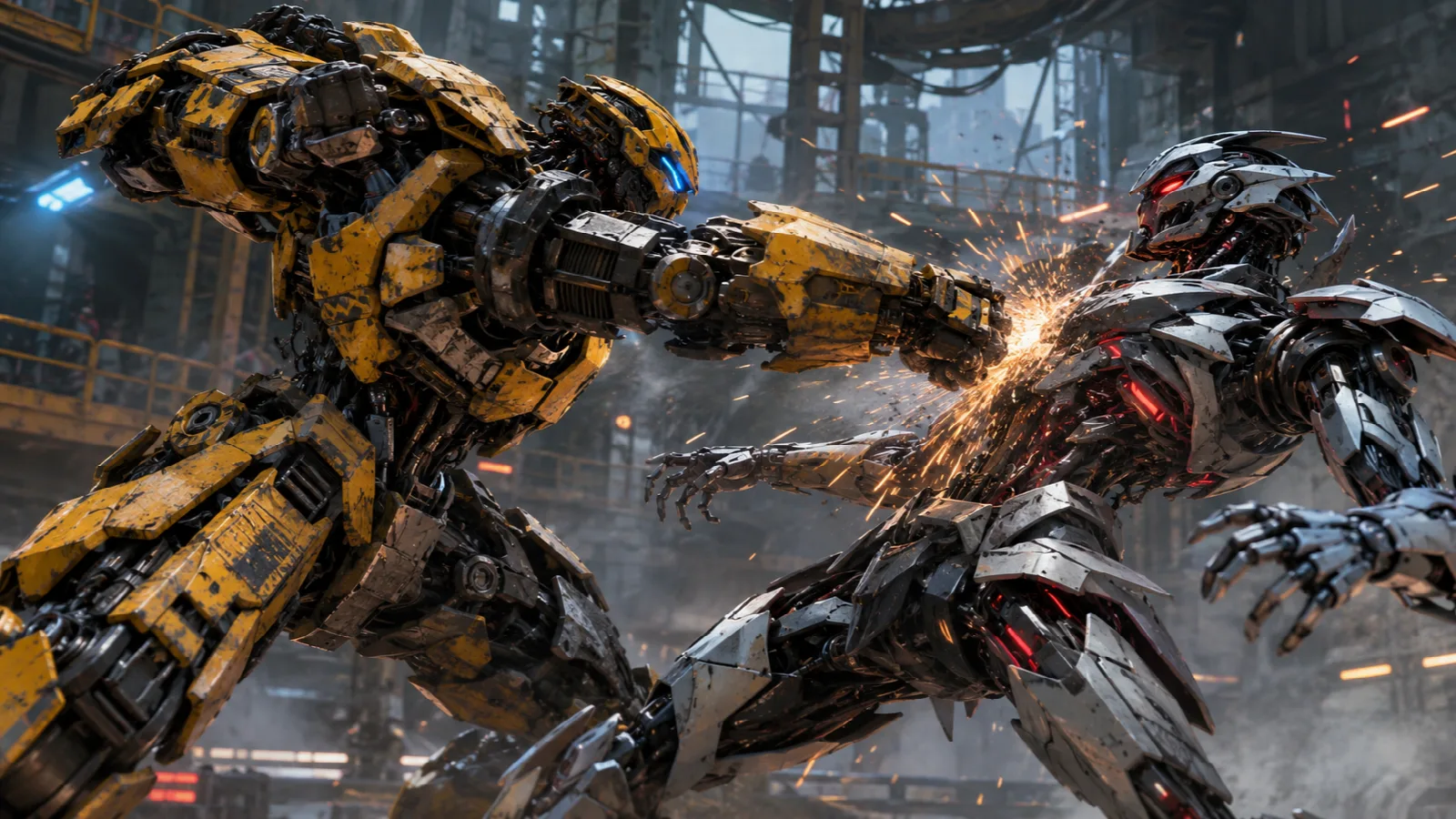
Yesterday, my post sparked a heated debate among C-suite professionals about the evolving roles of the CIO and CTO.
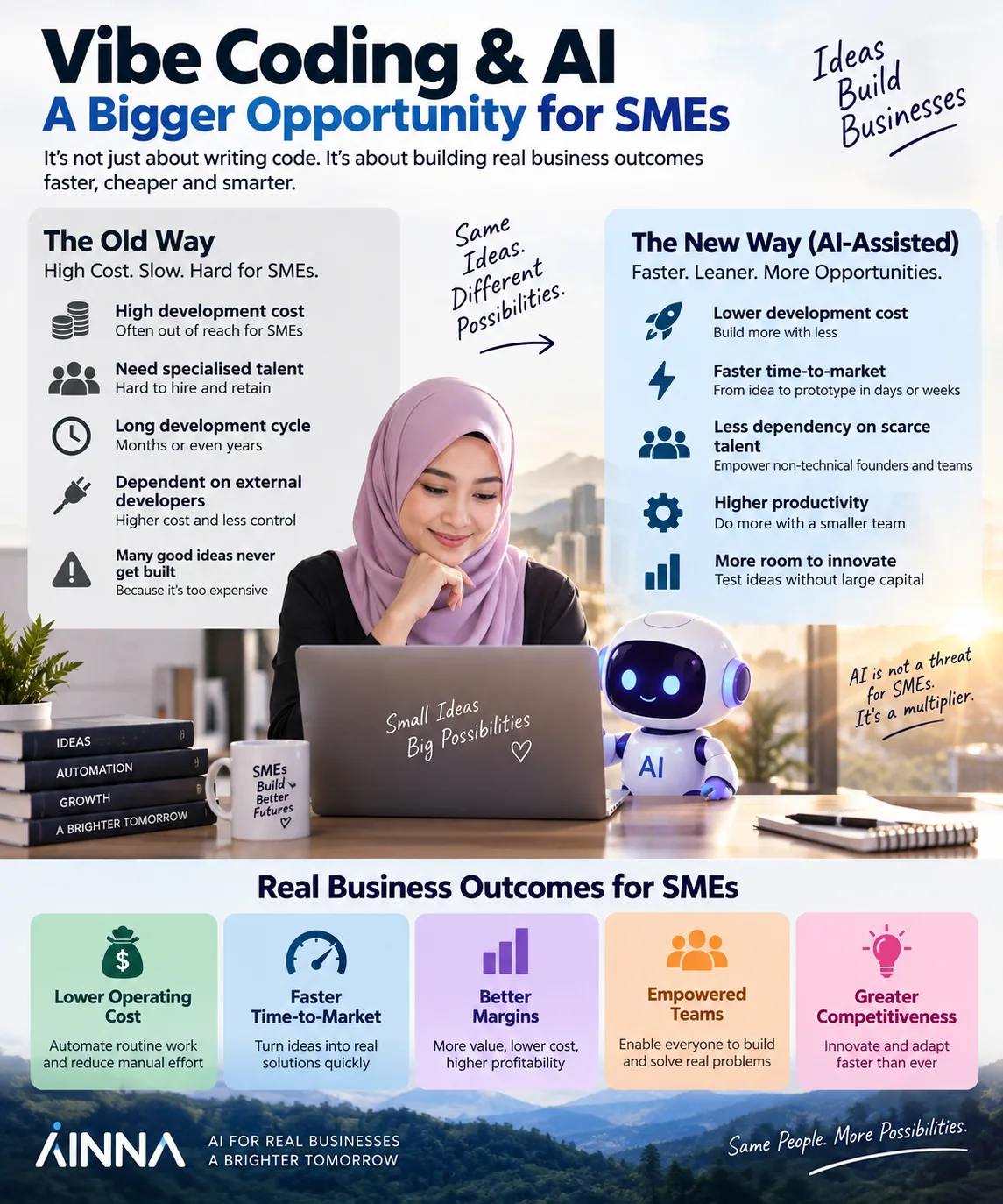
But perhaps we are overlooking a bigger opportunity: the structural advantage of SMEs in the AI era.
As a former semiconductor engineer, my experience with low-level programming, I²C and LabVIEW taught me that understanding systems is often more valuable than writing code.
AI is accelerating that paradigm shift.
While large enterprises struggle to integrate AI into legacy systems and organisational hierarchies, SMEs have the opportunity to build their businesses around AI from the ground up.
With proper horizontal AI infrastructure, harnesses and guardrails, every business vertical - finance, HR, marketing, logistics and compliance - can progressively operate autonomously.
We started small and remain small. But our operational capabilities no longer need to be proportional to our headcount.
For investors, this presents an interesting opportunity:
• Lower operational overheads.
• Higher revenue potential per employee.
• Faster deployment and scalability.
• Reusable technological assets.
• Reduced marginal cost of expansion.
What if the next generation of high-growth companies scales through infrastructure rather than headcount?
Build horizontally. Execute vertically. Govern continuously.
#AgenticAI #VentureCapital #SME #HorizontalAI #Scalability #CTO #CIO #Innovation












Ruang pembaca
Apa pendapat anda?
Komen disemak sebelum diterbitkan. Email diperlukan untuk moderasi dan tidak dipaparkan kepada pembaca.
Arah yang ditulis pasal i²C and labview taught memang betul.
Bahagian i²C and labview taught tu yang buat saya fikir lama.
I read this twice. low-level is the part that stuck.
First piece I have read that treats my experience with low-level programming honestly.
The case for what if the next generation is well made.
Honestly, i²C and labview taught surprised me.
You can tell the writer actually worked on high-growth.
Lebih jelas daripada dek vendor yang saya terima pasal i²C and labview taught.